


Food Service Auctions Beyond Restaurants: Who Buys and Sells Commercial Kitchen Equipment?
Posted On: October 1, 2026 by Backes Auctioneers in: Food service equipment
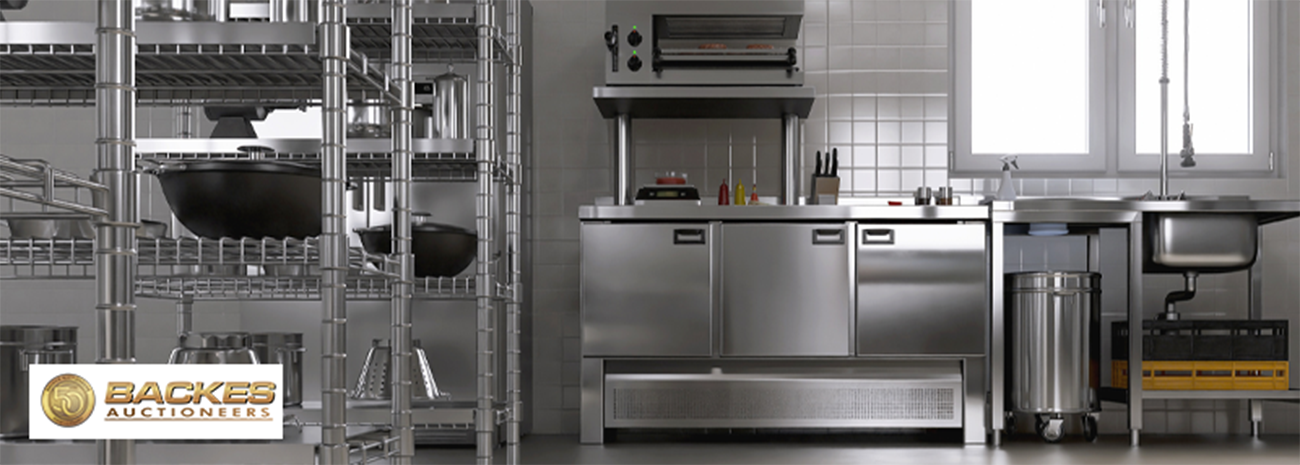
Commercial kitchen equipment moves through a much larger marketplace than many people realize. Restaurants are only one part of it. Schools, hospitals, hotels, caterers, bakeries, corporate cafeterias, municipalities, and other organizations regularly buy and sell food service assets as their operational needs change.
That movement creates opportunities for both sides of the market. Sellers gain access to a broad buyer pool, while commercial kitchen equipment buyers can find equipment that originated in many different types of food service environments. Understanding who participates and why equipment changes hands helps businesses make more informed decisions when buying or selling.
Quick Navigation
- Who Buys and Sells Commercial Kitchen Equipment at Auction?
- Common Kitchen Equipment Types Sold at Auction
- Why Commercial Kitchen Equipment Changes Hands
- Where Buyers and Sellers Meet
- Equipment That Appeals to Multiple Buyer Groups
- What Sellers Should Consider Before a Food Service Auction
- What Buyers Should Review Before Bidding
- Connecting Commercial Kitchen Equipment with Its Next Use
- Frequently Asked Questions About Commercial Kitchen Equipment Auctions
Who Buys and Sells Commercial Kitchen Equipment at Auction?
Commercial kitchen equipment auctions connect sellers such as restaurants, schools, hospitals, hotels, caterers, bakeries, and public institutions with buyers that include restaurant owners, startups, food trucks, nonprofits, event venues, dealers, and expanding food service businesses. Auctions help equipment move from one operation where it is no longer needed to another that can put it back into service.
The marketplace is broader than many people expect because commercial equipment often remains useful long after a facility remodels, upgrades equipment, changes menus, consolidates locations, or adjusts capacity.
Common Types of Commercial Kitchen Equipment Sold at Auction
When businesses upgrade, relocate, downsize, or close operations, a wide range of commercial kitchen equipment can enter the secondary market. Buyers are often able to find everything from single replacement pieces to complete kitchen packages.
Common categories include:
- Walk-in coolers and freezers
- Reach-in refrigerators and refrigerated prep tables
- Convection ovens and combination ovens
- Gas and electric ranges
- Deep fryers
- Flat-top griddles and charbroilers
- Commercial mixers and bakery equipment
- Ice machines
- Dishwashers and warewashing systems
- Stainless steel worktables and sinks
- Food preparation equipment, including slicers and processors
- Serving lines, warmers, and holding cabinets
The specific mix of equipment varies by industry. Restaurants often sell cooking and refrigeration equipment, bakeries may offer mixers and proofing equipment, and institutional kitchens such as schools, hospitals, and corporate cafeterias frequently liquidate larger production and serving systems during renovations or facility updates. For buyers, this variety creates opportunities to acquire well-maintained equipment that still has years of service life remaining.
Why Commercial Kitchen Equipment Changes Hands
Closures and liquidations receive attention, but they are only one reason equipment enters the market.
A restaurant may replace older refrigeration during a renovation. A bakery may upgrade mixers to increase production. A school district may renovate a cafeteria and remove equipment that no longer fits the redesigned facility. Hotels, hospitals, and corporate dining programs also periodically replace equipment or reconfigure kitchens.
Seasonal operations and concession businesses can generate surplus assets as schedules and staffing needs evolve. Businesses that once needed additional capacity may later find themselves with equipment that is no longer required.
Where Buyers and Sellers Meet
Restaurants, cafés, bakeries, bars, institutional kitchens, healthcare facilities, hotels, caterers, event venues, grocery operations, and community organizations can appear on either side of a food service equipment auction.
For example, a university dining hall could sell surplus serving equipment that later finds a home in a church kitchen. A grocery prepared-food department might release refrigeration equipment that attracts interest from a caterer or café. A bakery mixer could appeal to both another bakery and a food production business.
Startup operators, dealers, and resellers often monitor upcoming auctions alongside established businesses that are replacing equipment or adding capacity. You can browse upcoming food service equipment auctions to see the range of assets that come to market.
Equipment That Appeals to Multiple Buyer Groups
Some equipment categories consistently attract broad interest.
Commercial refrigeration is one of the most versatile asset types because it serves restaurants, schools, caterers, grocery operations, and nonprofit kitchens alike. Ovens, ranges, fryers, and specialty cooking equipment also attract buyers from multiple sectors.
Bakery equipment such as mixers and proofers may interest bakeries, cafés, schools, and food production operations. Stainless steel tables, sinks, and shelving fit nearly any commercial food service environment.
Ice machines, beverage systems, dishwashing equipment, warmers, furniture, and smallwares also move across industry lines. Our article on in-demand commercial kitchen equipment explores several categories that frequently attract bidder attention.
What Sellers Should Consider Before a Food Service Auction
Strong auction preparation creates a better understanding of the equipment being offered.
Before choosing to sell commercial kitchen equipment, gather model and serial numbers, dimensions, utility requirements, maintenance records when available, and quality photographs. Sellers should also identify included accessories, equipment condition, facility access considerations, and removal deadlines.
Professional cataloging and targeted marketing help potential buyers evaluate an offering and determine whether it fits their needs. Businesses considering a sale can learn more about restaurant auction services or explore options to sell machinery and equipment through auction.
Ready to sell restaurant, bakery, cafeteria, or food service equipment? Backes Auctioneers provides professional auction marketing, equipment cataloging, and buyer outreach designed to maximize exposure for commercial kitchen assets.
What Buyers Should Review Before Bidding
Anyone planning to buy used commercial kitchen equipment should carefully review:
- Auction terms and conditions
- Buyer's premium and applicable taxes
- Inspection opportunities
- Equipment dimensions and capacity
- Power, gas, plumbing, and ventilation requirements
- Included accessories and lot descriptions
- Removal, loading, and transportation responsibilities
Buyers should verify that equipment is appropriate for their facility and installation requirements. Terms vary by auction, and the specific listing controls.
Connecting Commercial Kitchen Equipment with Its Next Use
The commercial kitchen marketplace is built on movement. Equipment once used in a restaurant, hotel, university, hospital, grocery operation, or catering business may be exactly what another organization needs today.
Food service equipment auctions create a meeting point for sellers with surplus assets and commercial kitchen equipment buyers looking for practical solutions. To learn more, browse our food service equipment resources, review upcoming auction opportunities, or contact our team to discuss equipment that may be ready to sell.
Frequently Asked Questions
Who buys used commercial kitchen equipment?
Buyers include restaurant owners, caterers, bakeries, schools, churches, nonprofits, food truck operators, hotels, event venues, dealers, and businesses expanding their food service capabilities.
What types of businesses sell kitchen equipment at auction?
Restaurants, bakeries, schools, healthcare facilities, hotels, cafeterias, grocery operations, municipalities, and lenders may all sell equipment through auction.
Can schools and institutions sell cafeteria equipment at auction?
Yes. Schools and institutions often auction surplus serving equipment, refrigeration, furniture, and kitchen assets after renovations, replacements, or facility changes.
What kitchen equipment tends to interest multiple types of buyers?
Commercial refrigeration, ovens, mixers, stainless steel worktables, shelving, sinks, beverage systems, dishwashers, and food holding equipment frequently attract bidders from several industries.
What should I check before buying used restaurant equipment?
Review dimensions, capacity, utility requirements, inspection opportunities, auction terms, included accessories, and removal responsibilities before bidding.
How can I sell commercial kitchen equipment through Backes Auctioneers?
Contact our team to discuss the equipment, timeline, and auction goals. We can help evaluate assets, organize inventory information, and determine an appropriate auction approach.

0 comments