


The Hidden Value in Small-Scale Manufacturing Equipment
Posted On: April 1, 2026 by Backes Auctioneers in: Auto and Shop Equipment
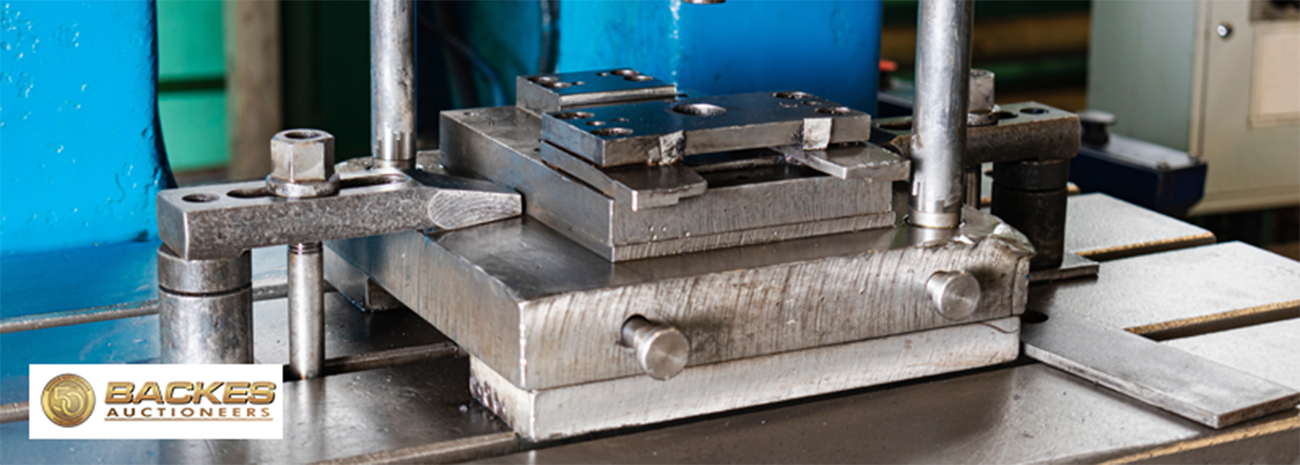
In small manufacturing shops, unused equipment often goes unnoticed. It’s paid for, functional, and out of the daily production conversation — even when it no longer plays a meaningful role in the business.
A machine that once ran full shifts now sees occasional use. Backup equipment purchased during a busy period was never fully integrated into the workflow. Specialized manufacturing equipment brought in for a single contract still takes up floor space long after the work is wrapped up. None of it feels urgent. But over time, it quietly ties up capital.
For owners focused on improving cashflow without disrupting operations, manufacturing equipment auctions offer a practical way to turn idle assets into working capital. And Backes Auctioneers is here to help you do just that.
When Manufacturing Equipment Stops Supporting the Business
Once equipment is purchased, it often fades from financial scrutiny. It’s no longer a monthly expense, so it doesn’t always raise red flags.
But unused manufacturing equipment still carries costs:
- Floor space that could support active production
- Insurance, storage, and maintenance considerations
- Ongoing depreciation, whether it’s used or not
More importantly, it represents capital that could be supporting higher‑use machines, reducing debt, or improving cashflow stability. At Backes Auctioneers, conversations with small manufacturers often start by identifying which assets are still earning their place and which ones are simply occupying space.
Contact the Backes Auctioneers Team Today
Identifying Equipment That No Longer Fits
Not every idle machine should be sold. The goal isn’t to eliminate flexibility, but to determine which equipment no longer aligns with how the shop operates today.
Common candidates for manufacturing equipment auctions include:
Equipment Displaced by Process Changes: As production methods evolve, older machines may still function but no longer fit current workflows or efficiency needs.
Excess Capacity from Past Demand: Equipment purchased during peak production periods often becomes redundant once volume stabilizes.
Contract‑Specific Manufacturing Equipment: Machines acquired for a single job may have limited value once that work is complete.
“Just in Case” Assets: Equipment kept without a clear plan or timeline for future use. If its absence wouldn’t affect production in the next six months, it may be time to evaluate its market value.
Why Manufacturing Equipment Auctions Make Sense
Selling manufacturing equipment privately can be time‑consuming. Advertising, fielding inquiries, coordinating inspections, and negotiating pricing can quickly pull focus away from running the business.
Industrial equipment auctions offer a more structured alternative:
- Market‑driven pricing based on current demand
- Access to qualified buyers actively looking for manufacturing and fabrication equipment
- Defined timelines that convert assets to cash without prolonged delays
Backes Auctioneers works with manufacturers across a range of industries, helping sellers navigate manufacturing equipment auctions efficiently while keeping operations moving.
Equipment That Commonly Performs Well at Auction
Manufacturers are often surprised by what attracts interest. In addition to large machines, many supporting assets perform well at auction.
This often includes:
- CNC machines and manual mills
- Lathes, presses, and fabrication equipment
- Welding machines and shop tools
- Forklifts, compressors, and material‑handling equipment
Well‑maintained equipment — even older models — frequently appeals to smaller shops, startups, and secondary operations.
Preparing Equipment for Auction
Maximizing value doesn’t require major overhauls. Buyers are primarily looking for clarity and accuracy.
Effective preparation includes:
- Cleaning equipment and removing debris
- Gathering manuals, tooling, and accessories
- Clearly listing model numbers, capacities, and power requirements
- Disclosing known issues upfront
This level of preparation helps buyers bid with confidence and is a standard part of how Backes Auctioneers brings manufacturing equipment to market.
Turning Idle Equipment into Working Capital
Unused manufacturing equipment rarely announces itself as a problem. It sits quietly, tying up space and capital over time.
Manufacturing equipment auctions offer a straightforward way to unlock that value without disrupting production. For owners weighing their options, working with an experienced auctioneer like Backes Auctioneers provides clarity around equipment value and a clear path to selling.
With the right approach, idle assets can move on productively, supporting both the seller’s cashflow and the next shop ready to put them back to work.

0 comments