


From Inventory to Auction Day: A 30‑Day Prep Plan for Food Industry Sellers
Posted On: March 2, 2026 by Backes Auctioneers in: Auctions
Whether you're closing a location, remodeling your kitchen, or clearing out equipment that no longer earns its keep, the countdown to auction day moves quickly. The best results don’t happen by accident; they come from a clear, organized plan that positions your items for strong bidder interest.
This 30‑day roadmap helps you take the guesswork out of auction prep and ensures your equipment is ready for a competitive, professional, and rewarding sale.
Day 1–5: Start with a Clean, Accurate Inventory
Before anything else, build a complete picture of what you plan to sell.
Document Every Item
- Item name, brand, and model
- Dimensions
- Power requirements
- Accessories or attachments
- Current condition
- Service or maintenance notes
A clear inventory saves time later and allows the auction team to catalog accurately, something buyers rely on when making decisions.
Identify High‑Value vs. Bundle‑Friendly Items
Ask yourself:
- Which pieces attract strong individual bidding? (convection ovens, mixers, walk‑ins)
- Which items work better as grouped lots? (utensils, smallwares, matching dining sets)
Grouping strategically creates clarity for buyers and encourages efficient bidding.
Day 6–10: Clean, Repair, and Prepare Equipment
Presentation affects both first impressions and final prices.
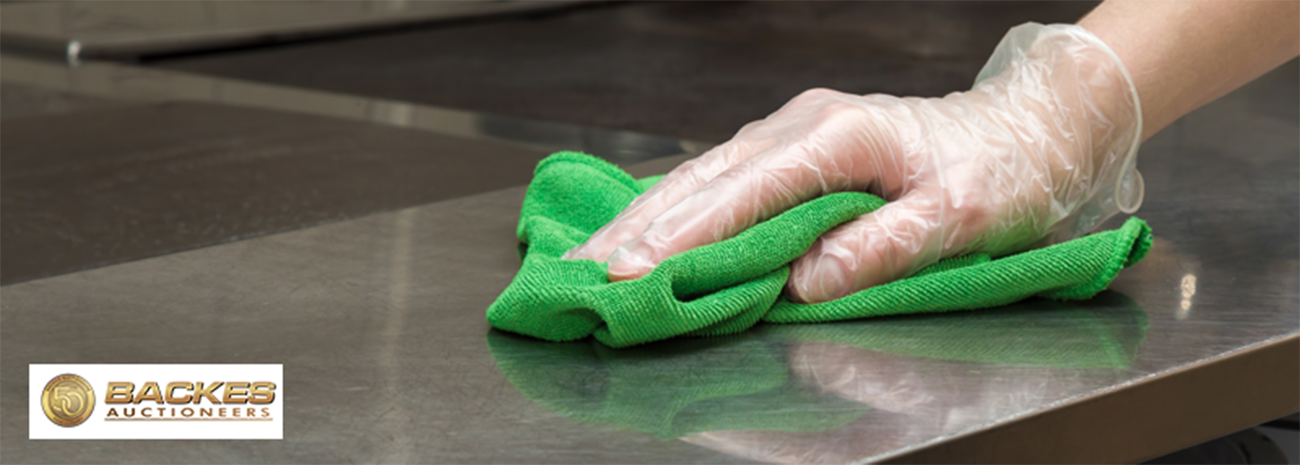
Deep Clean Everything
Commercial equipment often shows wear, but clean, well‑maintained items stand out. Focus on:
- Stainless surfaces
- Interior compartments
- Drip trays, racks, and removable parts
- Control panels and knobs
A polished piece signals reliability and immediately improves buyer confidence.
Handle Simple Repairs
Small fixes like tightening handles, replacing bulbs, or securing loose panels can drastically improve the perceived value of an item. For issues you can’t fix, document them clearly so buyers know exactly what they’re bidding on.
Day 11–15: Organize Your Space for Cataloging
Auction-day success starts with how items are displayed long before bidding opens.
Create Logical Groupings
- Bakery tools in one area
- Refrigeration units aligned for easy inspection
- Barware and small appliances grouped neatly
Clear organization helps buyers make quick assessments and makes catalog photos stronger.
Ensure Safe, Easy Access
Buyers and the auction team need to move around your space without obstacles. Open walkways and visible labels streamline the inspection and cataloging process.
Day 16–20: Capture Strong Photos and Accurate Descriptions
This is where preparation starts turning into results.
Take Clear, Well‑Lit Photos
Good images drive buyer interest. Aim for:
- Multiple angles
- Close‑ups of serial numbers
- Photos of included accessories
- Clean, uncluttered backgrounds
Write Fact‑Focused Descriptions
Buyers want clarity, not sales language. Include:
- Brand, model, and key specs
- Electrical or gas requirements
- Notable condition details
- Any known issues
Accurate descriptions help prevent disputes and give buyers the confidence to bid.
Day 21–25: Finalize Lot Structure and Logistics
These final organization steps play a major role in buyer turnout and satisfaction.
Confirm Your Lot List
- Which items sell individually
- Which items are bundled
- Whether any late changes need to be made
A well‑structured lot reduces confusion and supports competitive bidding.
Plan for Pickup Day
Buyers will expect a smooth, organized handoff. Prepare:
- Clear loading paths
- Access to electrical panels or gas shut‑offs
- Staff or signage to guide buyers
- Tools required for basic disassembly
The smoother the process, the more likely buyers will return for future auctions.
Day 26–30: Review, Communicate, and Get Ready to Sell
This is your final stretch.
Confirm Auction Details
- Auction date and times
- Pickup instructions
- Any changes to lot numbers
- Contact information for buyer questions
Communicate With Your Auction Team
Share anything that changed during prep like discovering missing parts, completing necessary repairs, or any items that were added or removed at the last minute. Good communication ensures your catalog matches reality and sets the stage for a successful sale.
Do One Last Walkthrough
Look for:
- Items that need wiping down
- Stray accessories that belong in a bundle
- Tags that have fallen off
- Obstacles on the pickup path
A final pass-through ensures your auction day runs smoothly.
Strong Planning Leads to Strong Results
A strong auction outcome begins long before the first bid. With a clear plan, organized inventory, cleaned and prepared equipment, and a focus on buyer-friendly presentation, sellers in the food‑service industry can significantly increase both interest and final sale prices.
If you're preparing for an upcoming auction and want support at any stage, from inventory review to lot structuring, Backes Auctioneers is here to help. Our team understands the unique needs of food‑service operators and works with you to make every step of the process efficient and successful.

0 comments