


From Downtime to Opportunity: Selling Idle Equipment Before It Loses Value
Posted On: May 1, 2026 by Backes Auctioneers in: Auto and Shop Equipment Food service equipment Restaurant Equipment
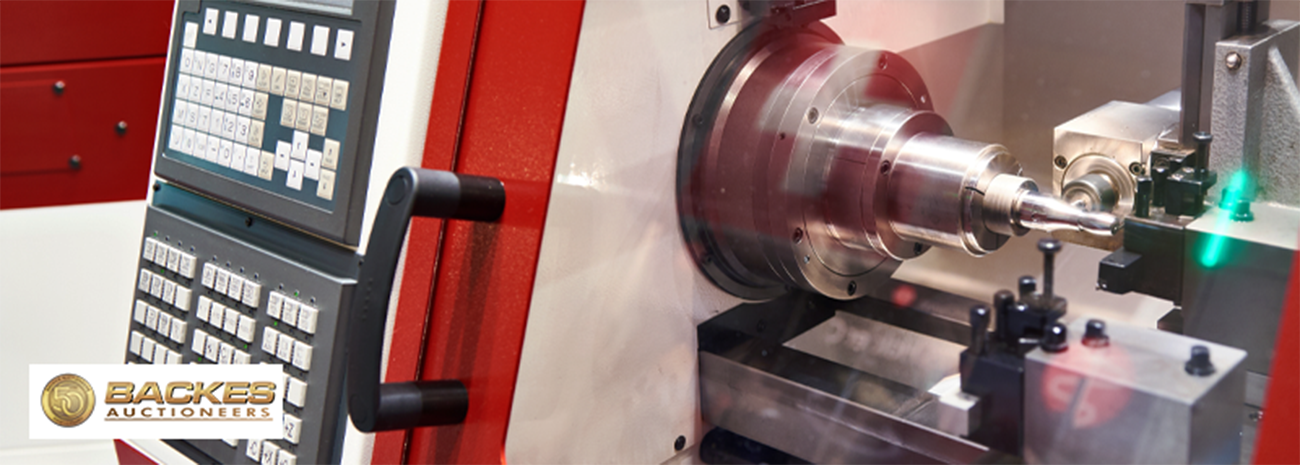
In many machine shops and commercial kitchens, unused equipment is easy to overlook. A CNC machine that hasn’t run in months. A mixer kept around out of habit. A prep table tied to a menu that’s long gone. Because it’s paid for and pushed out of the way, it rarely feels urgent.
But over time, idle equipment doesn’t just sit around; instead, it depreciates. It quietly ties up capital while delivering nothing in return.
For machine shop and food service owners, unused equipment isn’t neutral. It occupies valuable space, restricts flexibility, and loses resale value the longer it sits. Selling surplus equipment at auction turns downtime into something useful again: cash flow, operational flexibility, and a return on assets you already own.
Idle Equipment Is Still an Asset — Until It Isn’t
Most equipment doesn’t become obsolete overnight. More often, it fades out of daily use first. A shop upgrades to faster tooling. A restaurant simplifies its menu. A second location closes. The equipment still works, but it no longer earns its keep.
The real issue is timing. Industrial machinery and food service equipment tend to hold value only while they still align with how buyers operate today. As newer models enter the market and replacement parts become harder to source, resale value can slide faster than many owners expect.
Beyond depreciation, unused equipment limits flexibility. Storage replaces usable space, overhead costs persist, and capital stays locked into assets that no longer align with day-to-day operations. Over time, that imbalance turns idle equipment from a resource into a liability.
At a certain point, holding on “just in case” becomes a financial decision, not an operational one.
Learn More About Selling Machinery & Equipment at Auction
Why Auctions Work for Specialized Equipment
Private sales can make sense in some situations, but they often stall when dealing with specialized or industry‑specific equipment. Finding the right buyer takes time, pricing is uncertain, and negotiations can drag on for months.
Auctions solve a different problem.
An auction introduces structure where private sales often stall. Instead of waiting for the right buyer to appear, assets move on a defined timeline, supported by targeted marketing and an established buyer audience. Pricing isn’t based on guesswork or negotiation fatigue, it’s determined by real demand, in real time.
For business owners, that clarity matters. Equipment sells when expected, value is transparent, and the process doesn’t stretch out for months. The result is faster liquidity without the distraction of managing individual inquiries or drawn‑out negotiations.
When equipment still has useful life and broad application, auctions often produce stronger results than slow, one-off listings.
Related: How Restaurant and Food Service Sellers Maximize ROI at Auction
Machine Shops: Capital Locked in Steel and Electronics
In machining and manufacturing environments, equipment turnover is constant. Processes evolve. New capabilities replace old ones. What once supported a core job may no longer fit current contracts.
Common examples of unused machine shop equipment include:
- Legacy CNC machines after a technology upgrade
- Secondary mills or lathes once used for overflow work
- Inspection, welding, or finishing equipment tied to discontinued services
These assets often retain value because smaller shops, startups, and maintenance operations still need them. Selling through an auction connects that demand with your surplus — without requiring you to become a broker.
The proceeds can be redirected into tooling upgrades, automation, staffing, or simply strengthening cash reserves.
Book Your Own Machine Shop Auction Today
Read More: The Hidden Value in Small-Scale Manufacturing Equipment
Food Service Operations: Equipment Moves Faster Than Menus
Restaurants, bakeries, and institutional kitchens evolve quickly. Concepts change. Locations open and close. Equipment that once made sense can become a poor fit seemingly overnight.
Holding onto unused food service equipment introduces challenges beyond depreciation:
- Health and safety concerns from long-term storage
- Missed resale windows for popular brands and models
- Clutter that complicates inspections, remodels, or lease transitions
Auctions work particularly well in the food service industry because buyer demand remains steady. New operators, remodels, and replacement buyers are consistently looking for quality used equipment. Selling earlier helps capture that demand while the equipment is still desirable.
When to Sell: A Practical Rule of Thumb
If a piece of equipment hasn’t been used in six to twelve months and there’s no clear plan to bring it back into service, it’s worth evaluating for sale.
Ask a few direct questions:
- Does this equipment support our current business model?
- Would replacing it later make more sense than storing it now?
- What could we do with the cash if it sold this quarter?
If the answers point toward uncertainty or delay, the value is already eroding.
You May Also Like: Your Auction Handbook – A Full Guide to Auctions
Turning the Process Over to Professionals
One reason equipment sits idle is that selling feels complicated. Appraisals, marketing, logistics, buyer vetting can all feel overwhelming and like a distraction from running your business.
Backes Auctioneers handles those pieces:
- Evaluating and grouping assets for sale
- Marketing to established buyer networks
- Managing bidding, payment, and removal timelines
That structure removes friction and allows owners to focus on operations while still realizing value from unused assets.
From Storage to Strategy
Idle equipment doesn’t have to be a reminder of past decisions or old growth phases. When treated correctly, it becomes a strategic resource that supports the next stage of your business rather than weighing it down.
Selling unused machinery or food service equipment at auction is less about clearing space and more about making capital work again. The earlier that decision is made, the better the return tends to be.
If you’re evaluating equipment that’s no longer pulling its weight, it may be time to see what the market is willing to pay. A conversation with Backes Auctioneers can help you determine whether now is the right moment to turn downtime into opportunity.
Frequently Asked Questions About Selling Unused Equipment
How do I know if unused equipment is still worth selling?
If the equipment is functional, complete, and from a recognizable manufacturer, it likely retains resale value, especially if similar models are still in use across the industry.
Is it better to sell equipment privately or at auction?
Private sales can work, but auctions provide speed, transparency, and access to a wider buyer pool. For specialized or industrial assets, auctions often result in faster sales and clearer pricing.
What types of equipment sell well at auction?
Industrial machinery, CNC equipment, fabrication tools, commercial kitchen equipment, bakery equipment, and processing equipment commonly perform well, particularly when sold before becoming obsolete.
How long does the auction process take?
Most auctions follow a defined timeline. From evaluation to sale and removal, the process is typically measured in weeks, not months.
Do I need to transport the equipment myself?
No. Professional auctioneers coordinate logistics, buyer payment, and removal, reducing the burden on business owners.

0 comments